Massage Therapy: A Journey of Pure Relaxation
Massage therapy is becoming an increasingly popular part of health and wellness routines, but many people still aren't sure what exactly a Certified Massage Therapist (CMT) is, or what sets them apart from other types of bodywork professionals.
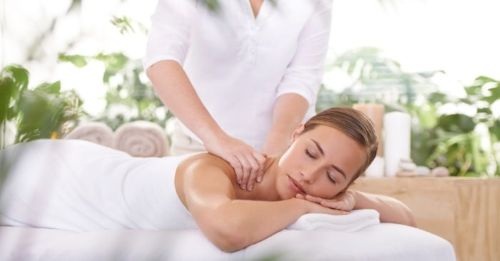
Beyond being a luxurious treat, massage therapy is now considered a key component of many individuals' health and wellness routines. As modern life becomes more fast-paced and stressful, people turn to massage therapy to relieve tension, promote relaxation, and support their overall well-being. Whether for managing chronic pain, improving flexibility, reducing stress, or recovering from injury, massage is now seen as essential for maintaining a healthy, balanced lifestyle.
Whether you're considering getting a massage or you're just curious about how it all works, this article breaks it down clearly and simply.
What Is a Certified Massage Therapist?
A Certified Massage Therapist (CMT) is a trained professional who uses hands-on techniques to manipulate the muscles and soft tissues of the body. The goal of massage therapy is to relieve pain, reduce stress, improve circulation, and promote overall well-being.
The word "certified" means that the therapist has completed formal education and training, and has met specific requirements to practice professionally.
Education and Training Requirements
To become a CMT, a person must typically complete:
- 500 to 1000 hours of classroom and hands-on training (varies by region)
- Courses in anatomy, physiology, ethics, massage techniques, and client care
The Importance of Anatomy in Massage Therapy
Anatomy forms one of the most important foundations of a massage therapist's education. To be effective and safe, massage therapists must have a deep understanding of the human body's structure and how muscles, bones, and organs work together.
Key Areas of Anatomy in Training:
- Musculoskeletal System: Includes muscles, bones, tendons, ligaments, and joints that allow movement. Understanding function and injury response is essential.
- Muscles: Therapists must know locations, functions, and how to address issues like spasms or tightness.
- Bones: Knowledge of bones and how they support and interact with muscles is key, especially for safe manipulation.
- Joints and Ligaments: Important for understanding body mobility and safe pressure techniques.
- Nervous System: Helps therapists relieve pain and tension by understanding nerve pathways and muscle responses.
- Circulatory System: Techniques like effleurage help improve blood flow and reduce swelling.
- Fascia: This connective tissue affects posture and flexibility. Therapists use techniques like myofascial release to improve movement.
- Core Health Conditions: Knowledge of issues like arthritis or sciatica allows therapists to customize treatments safely.
Why Anatomy Knowledge Matters
- Targeted Treatment: Helps address specific muscles or injuries with precision.
- Safety: Prevents injury by understanding sensitive areas and joint limitations.
- Customization: Sessions are tailored to the client's unique structure and issues.
- Client Communication: Therapists can explain techniques clearly, building trust and understanding.
- Holistic Approach: Addresses the whole body, not just isolated symptoms.
Anatomy in Practice

Massage Modalities
Massage modalities refer to the various styles or systems of massage, each with unique techniques and benefits. Therapists often blend these styles to meet individual client needs.
- Swedish Massage: Gentle strokes for relaxation, circulation, and general wellness.
- Deep Tissue Massage: Targets deep muscle layers to relieve chronic tension and pain.
- Sports Massage: Tailored for athletes, this style helps prevent injuries and aid recovery.
- Trigger Point Therapy: Focuses on releasing muscle knots that refer pain elsewhere.
- Myofascial Release: Gentle sustained pressure to release restrictions in connective tissue.
- Shiatsu: A Japanese modality using acupressure to balance energy flow.
- Reflexology: Applies pressure to reflex points on hands, feet, and ears to support organ health.
- Prenatal Massage: Gentle techniques to relieve pregnancy-related discomfort and stress.
- Craniosacral Therapy: Light touch therapy to ease restrictions in the craniosacral system.
- Aromatherapy Massage: Uses essential oils to promote emotional and physical well-being.
- Hot Stone Massage: Heated stones are used to relax muscles and enhance circulation.
- Lymphatic Drainage Massage: Stimulates the lymph system to reduce swelling and detoxify.
Massage therapy is a diverse field that can address a wide range of needs from relaxation to rehabilitation. A skilled Certified Massage Therapist understands how to tailor each modality to support the client's unique physical and emotional goals.
Final Thoughts
Becoming a Certified Massage Therapist involves rigorous training, a deep understanding of the human body, and a genuine desire to help others. Whether you're considering a career in massage or simply seeking better wellness options, understanding what a CMT offers helps you make informed and confident decisions about your care.